Local-first inference
Run with LM Studio or Ollama. Frontier escalation is opt-in and per-message.
A local-first Rust application for IMAP mailboxes. Ingest mail, analyze it with local or frontier models, detect risk, recommend folders, and file messages through an auditable agent pipeline. Built for people who want to understand the code that touches their inbox.
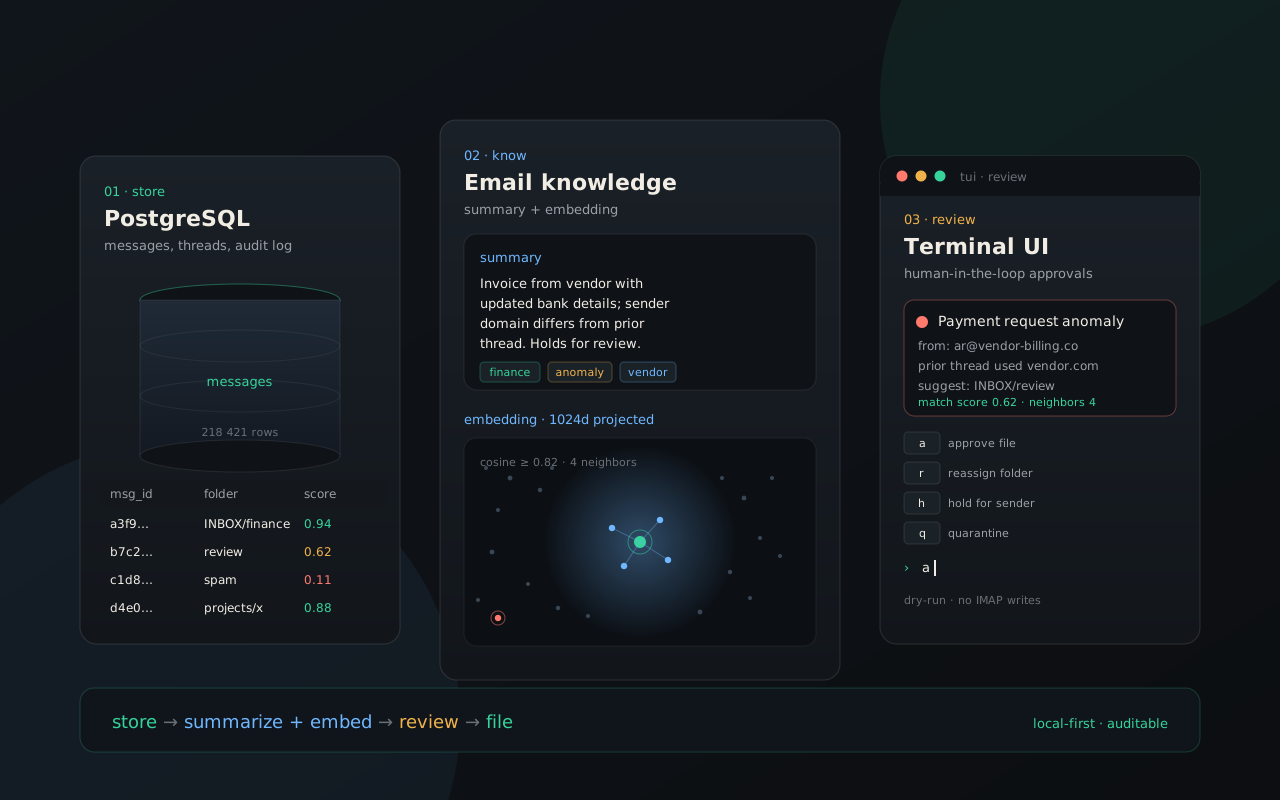
MailSubsystem Core is the intelligence layer: LLM workflows, RAG context, classification, threat detection, summarization, and filing. Email content stays local unless you explicitly route to a hosted model.
Run with LM Studio or Ollama. Frontier escalation is opt-in and per-message.
Behavior lives in Markdown specs backed by a tool registry, scratchpad, and durable queues.
Mailbox state, analysis output, embeddings, and action history are queryable and auditable.
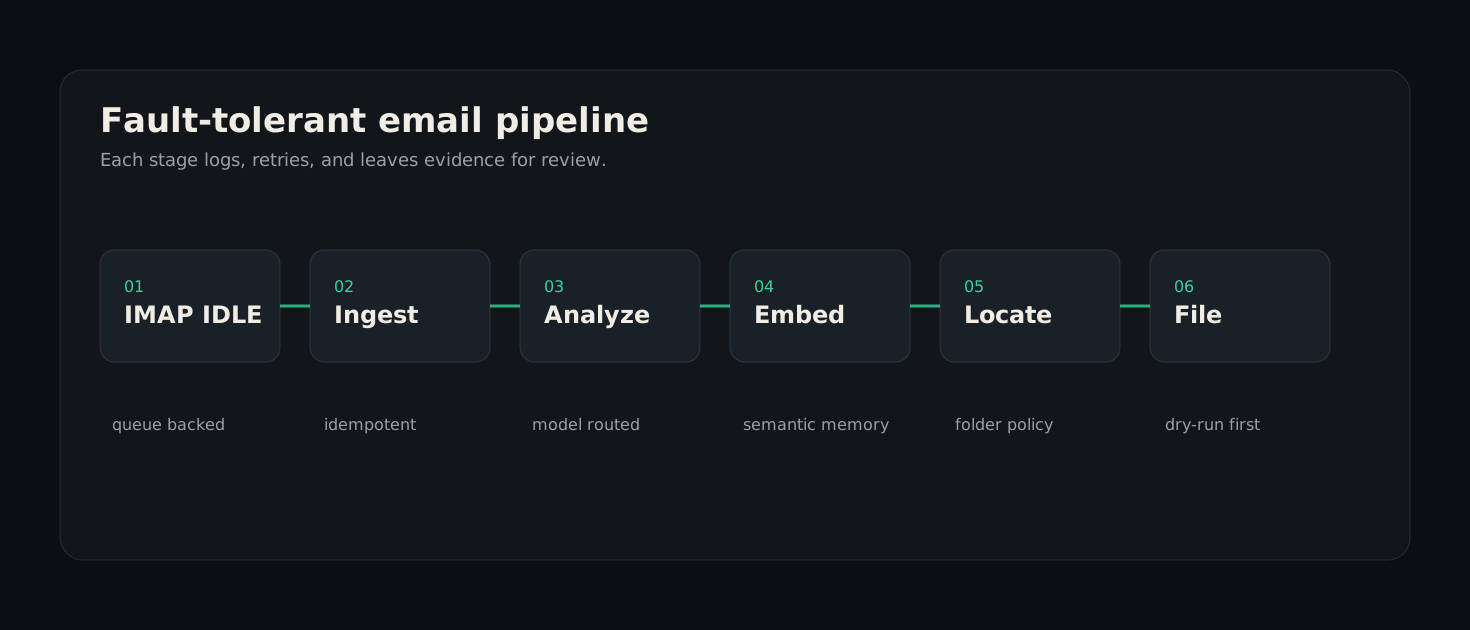
Each stage fails independently, logs what happened, retries when appropriate, and leaves enough evidence for a human to understand the decision.
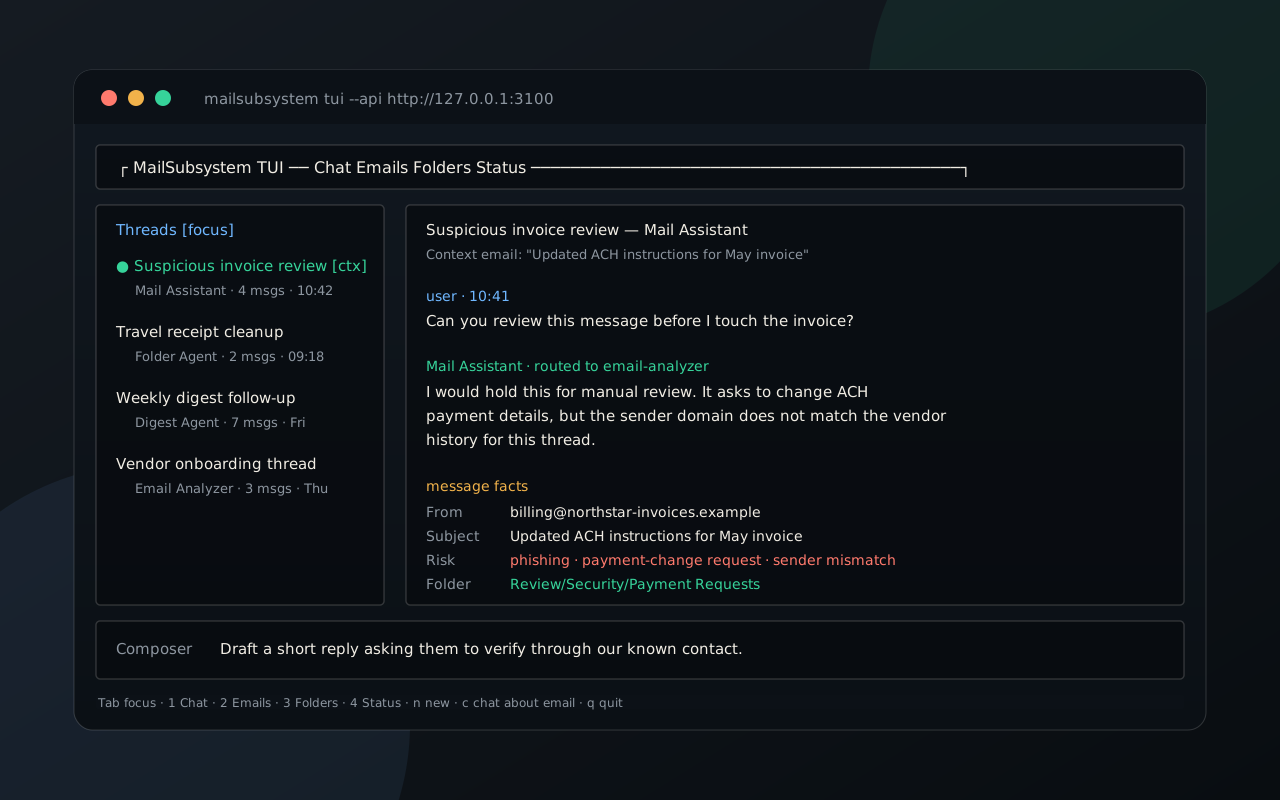
The TUI is designed for the moments where an agent should slow down: payment changes, sender mismatches, suspicious links, and folder recommendations that deserve a human look before filing.
The Managed Service is the same engine, hosted and looked after. It's designed for the people in your life who should not have to build the binary to read their email safely — with the operational care that goes around it: review queues, audit trails, support workflows, and onboarding.
No fork of the agent logic. The service orchestrates the Core, adds tenancy and operational policy, and applies the care needed to put it in front of non-technical users.
The Core docs cover what the OSS application does today, how to set it up, and what is hardening next.
Purpose, audience, status, and what to expect before the AGPL release.
Build, database, environment, and the first commands to run safely.
Sync, analyze, locate, file, and maintenance commands.
Sandbox mailboxes, dry-runs, and what not to point at production accounts.